When stress becomes a physical response
Every emotional experience is translated into biological signals.
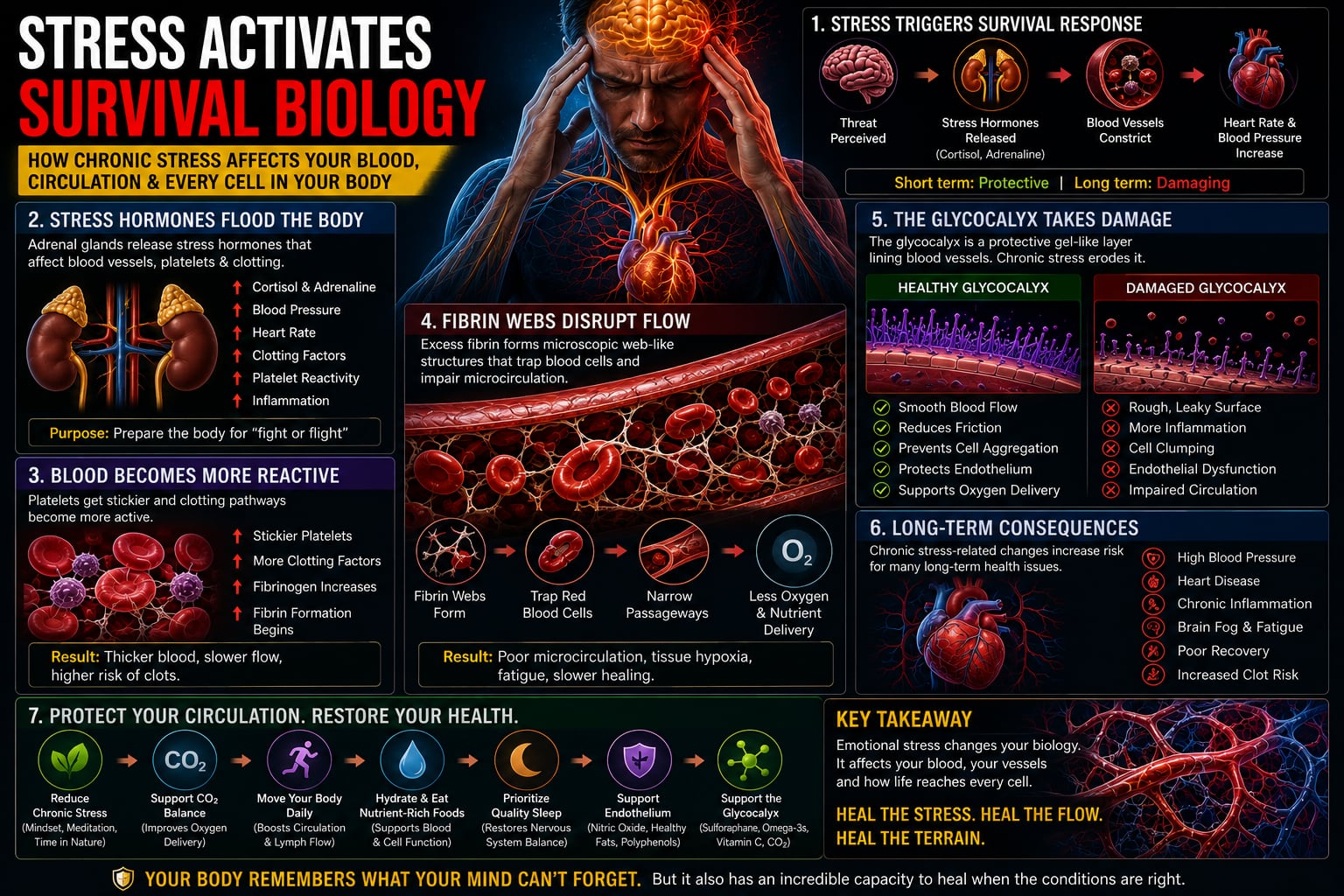
When the brain perceives danger, whether physical or emotional, it activates the fight-or-flight response. This survival mechanism evolved to help us respond to threats by increasing alertness, raising heart rate, and preparing the body for possible injury.
In the short term, this response is protective.
The problem begins when stress becomes chronic.
Instead of turning off after the threat has passed, the body may continue operating in a defensive state. Blood vessels become less flexible, circulation changes, and the systems responsible for blood clotting can become more active than necessary.
The blood begins to change
One of the most fascinating discoveries is that emotional stress does not remain confined to the nervous system.
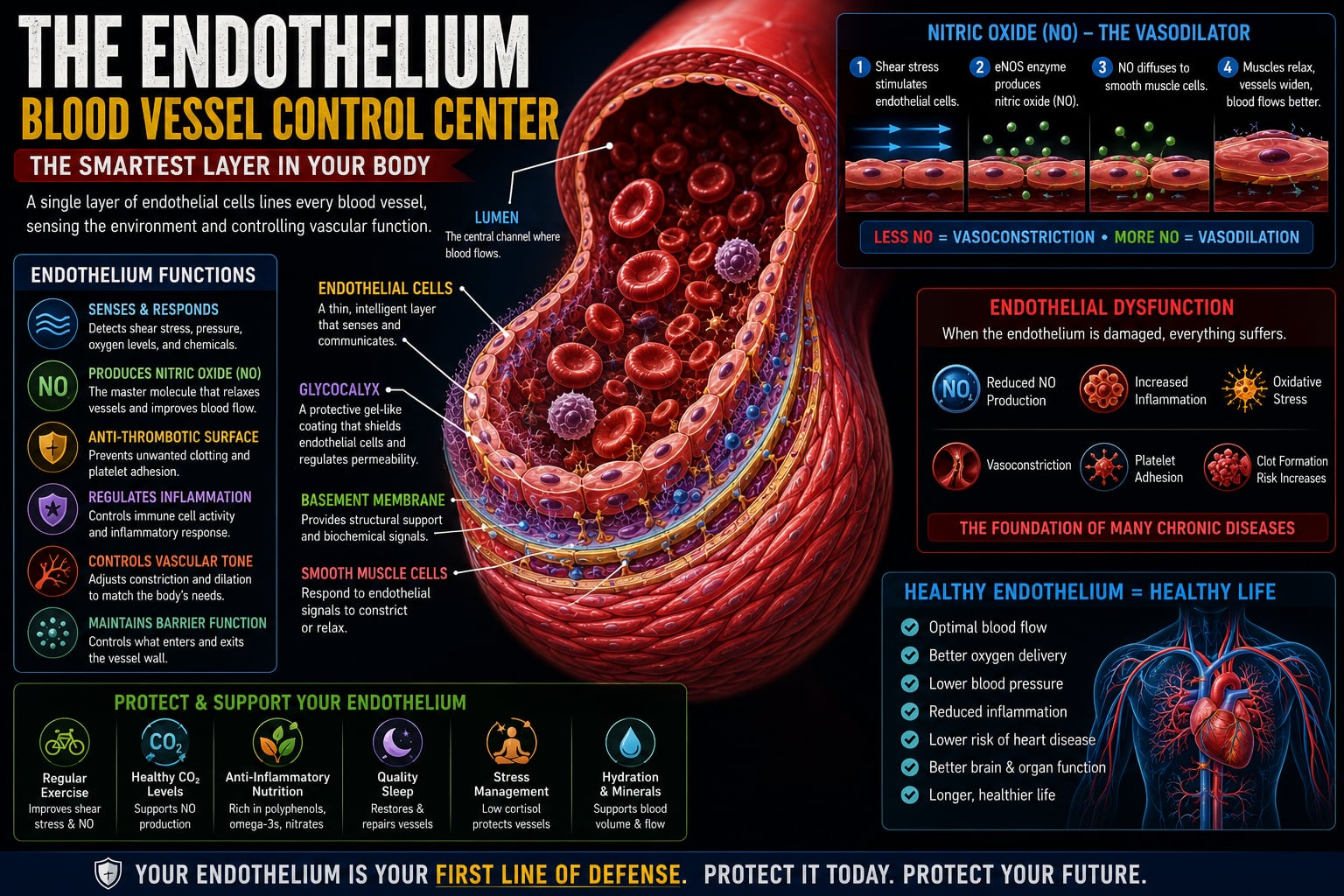
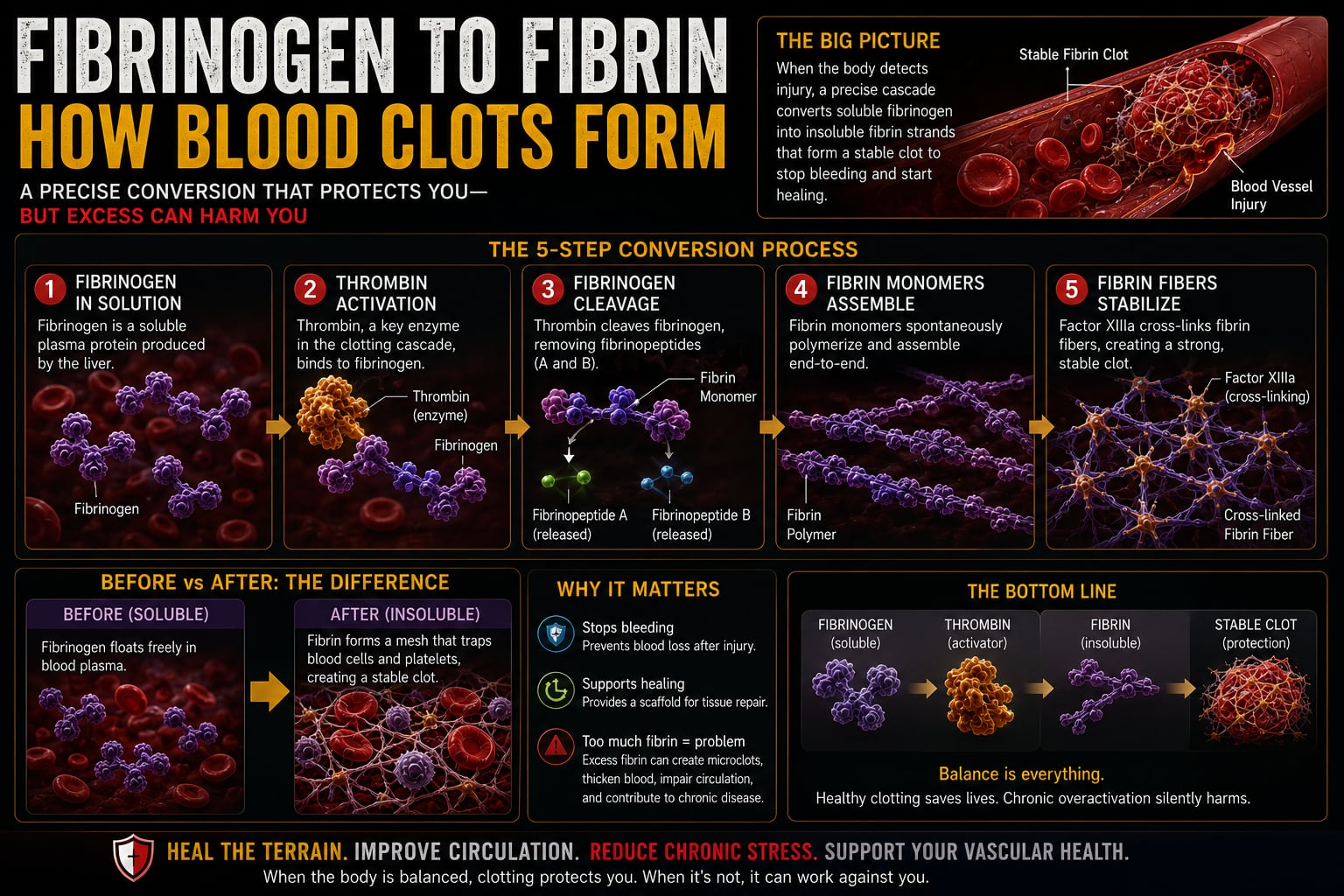
Stress hormones can influence platelets, the blood components responsible for stopping bleeding. These platelets may become more reactive and more likely to stick together.
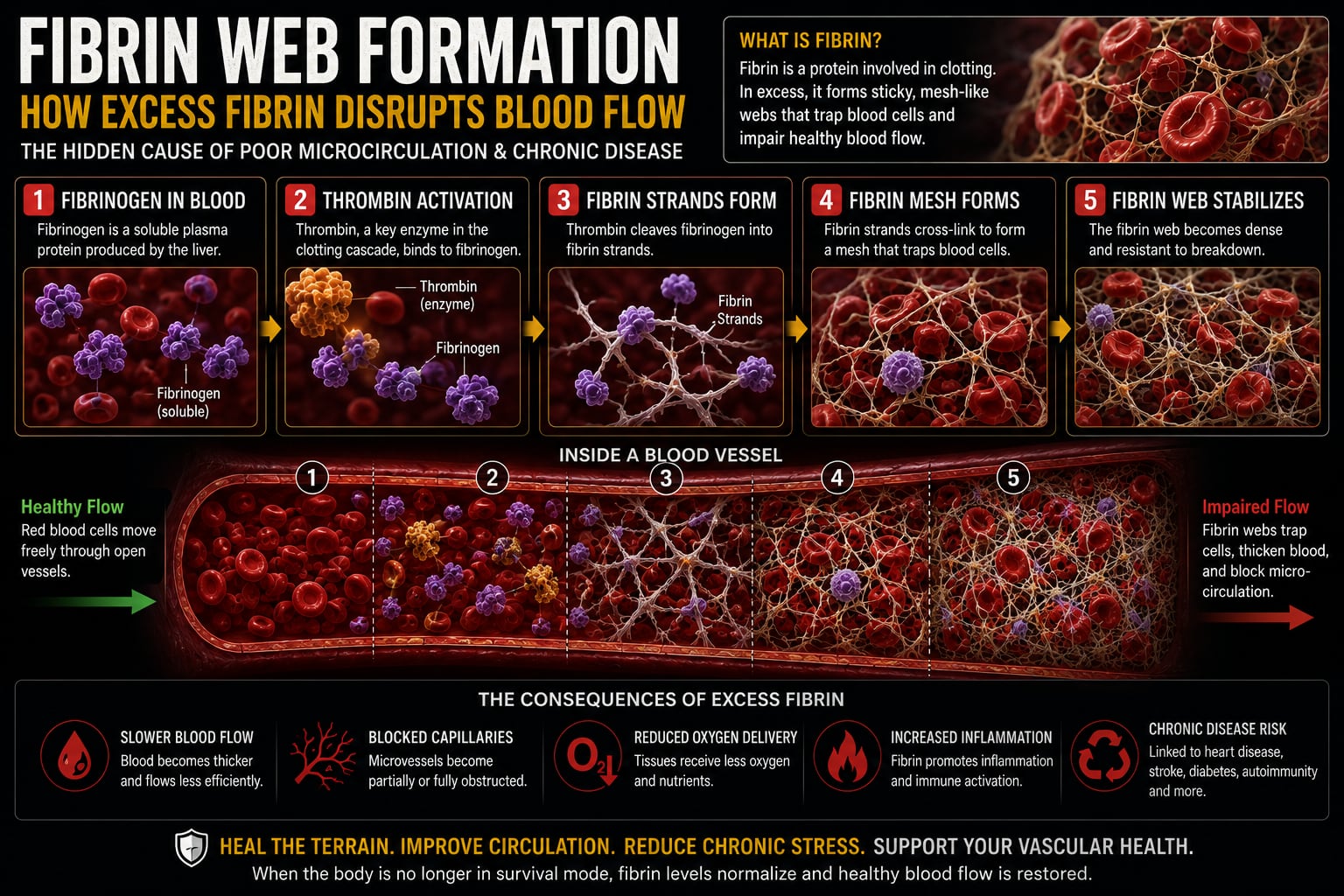
At the same time, clotting pathways become more active.
A protein called fibrin can begin forming microscopic strands that create mesh-like structures within the circulation. During an injury, this process is essential for healing. However, when stress remains elevated for long periods, these mechanisms may become partially activated even without a physical wound.
Emotional trauma leaves biological fingerprints
Researchers have observed measurable changes in the bloodstream following severe emotional events.
After the loss of a loved one or periods of intense emotional stress, markers associated with clotting and inflammation often increase. Cardiovascular risk can temporarily rise, even when there is no physical injury present.
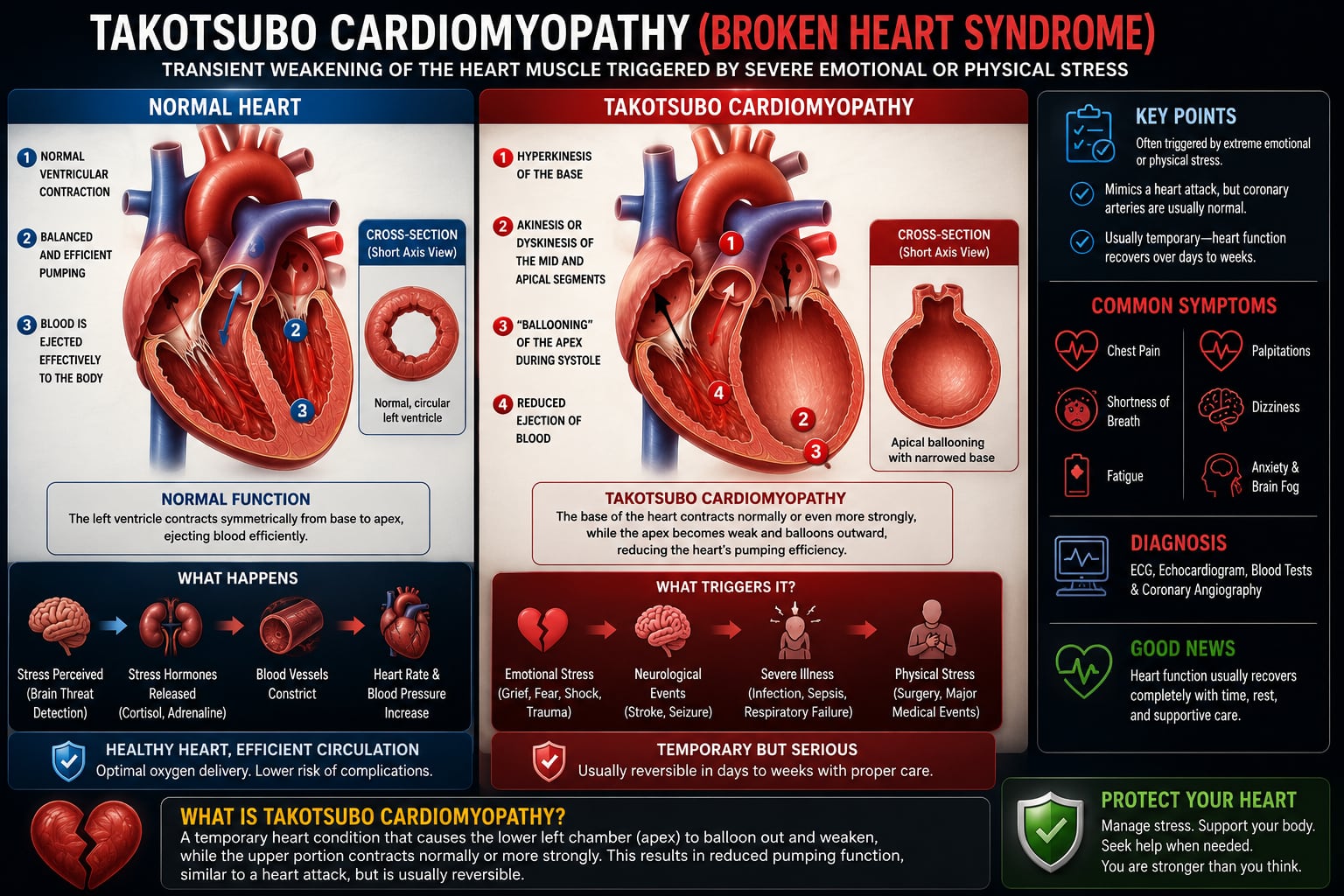
One of the most striking examples is Takotsubo cardiomyopathy, often called Broken Heart Syndrome. In this condition, emotional stress can temporarily impair heart function and create symptoms that closely resemble a heart attack.
The experience is emotional, but the effects are undeniably physical.
The hidden impact on microcirculation
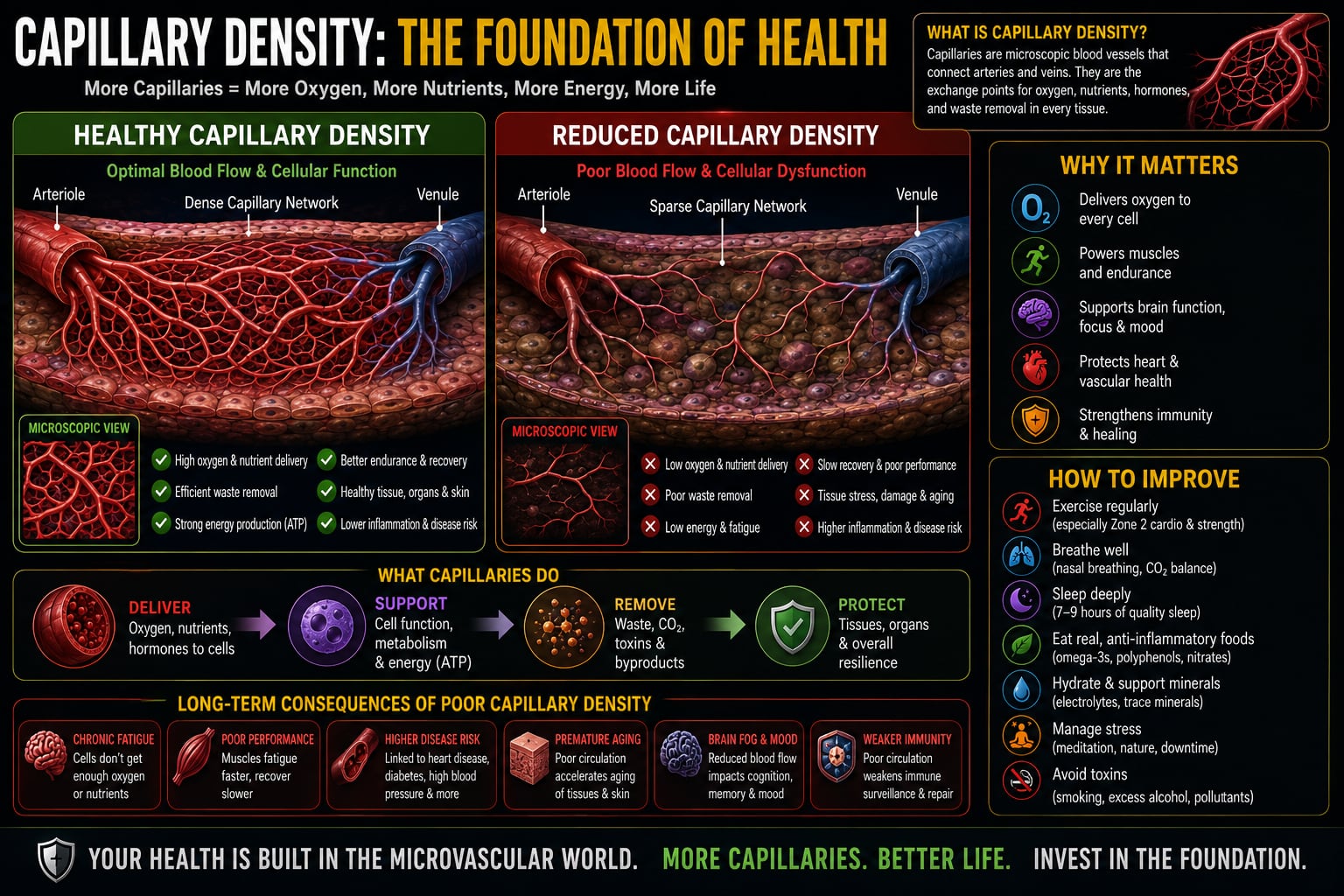
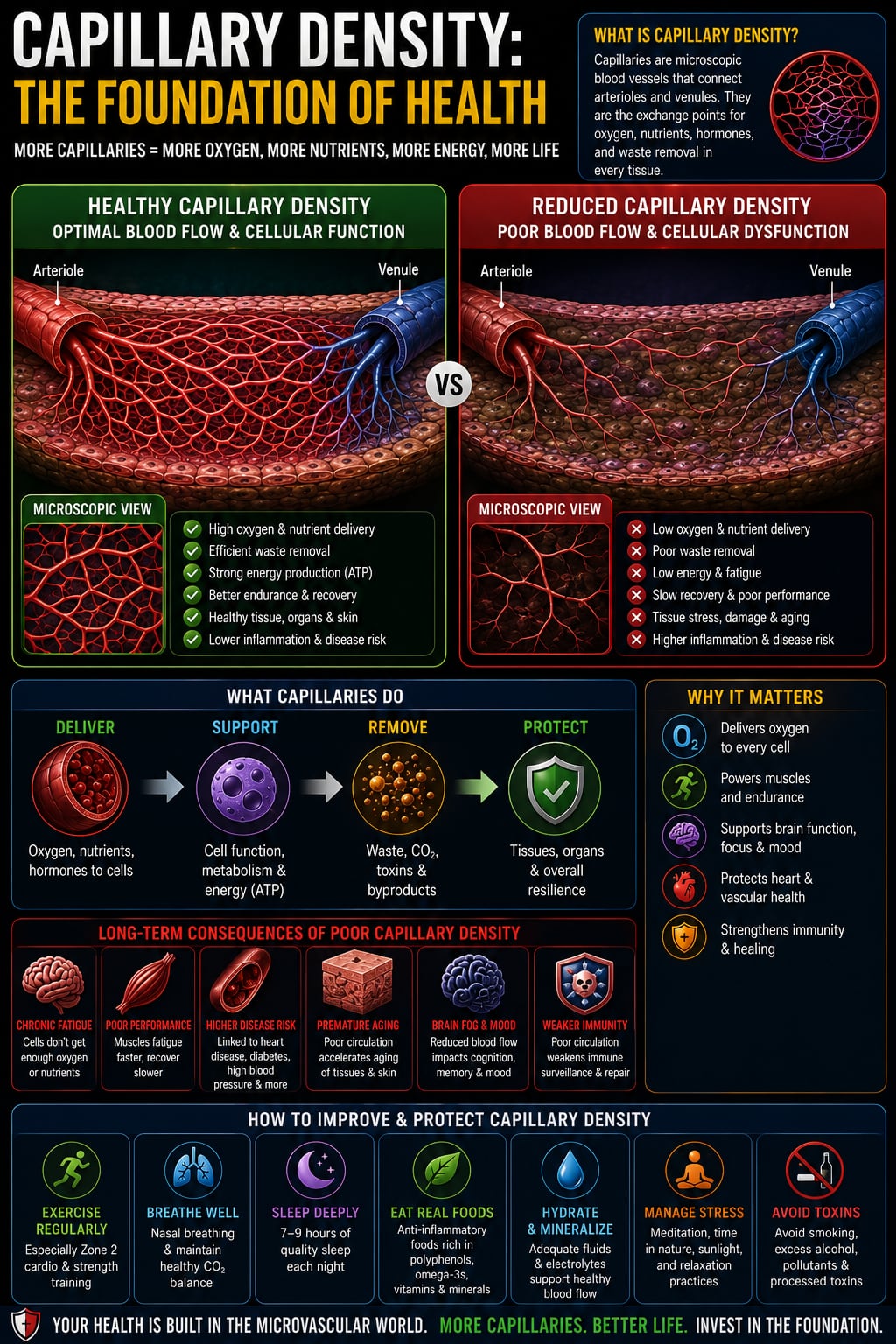
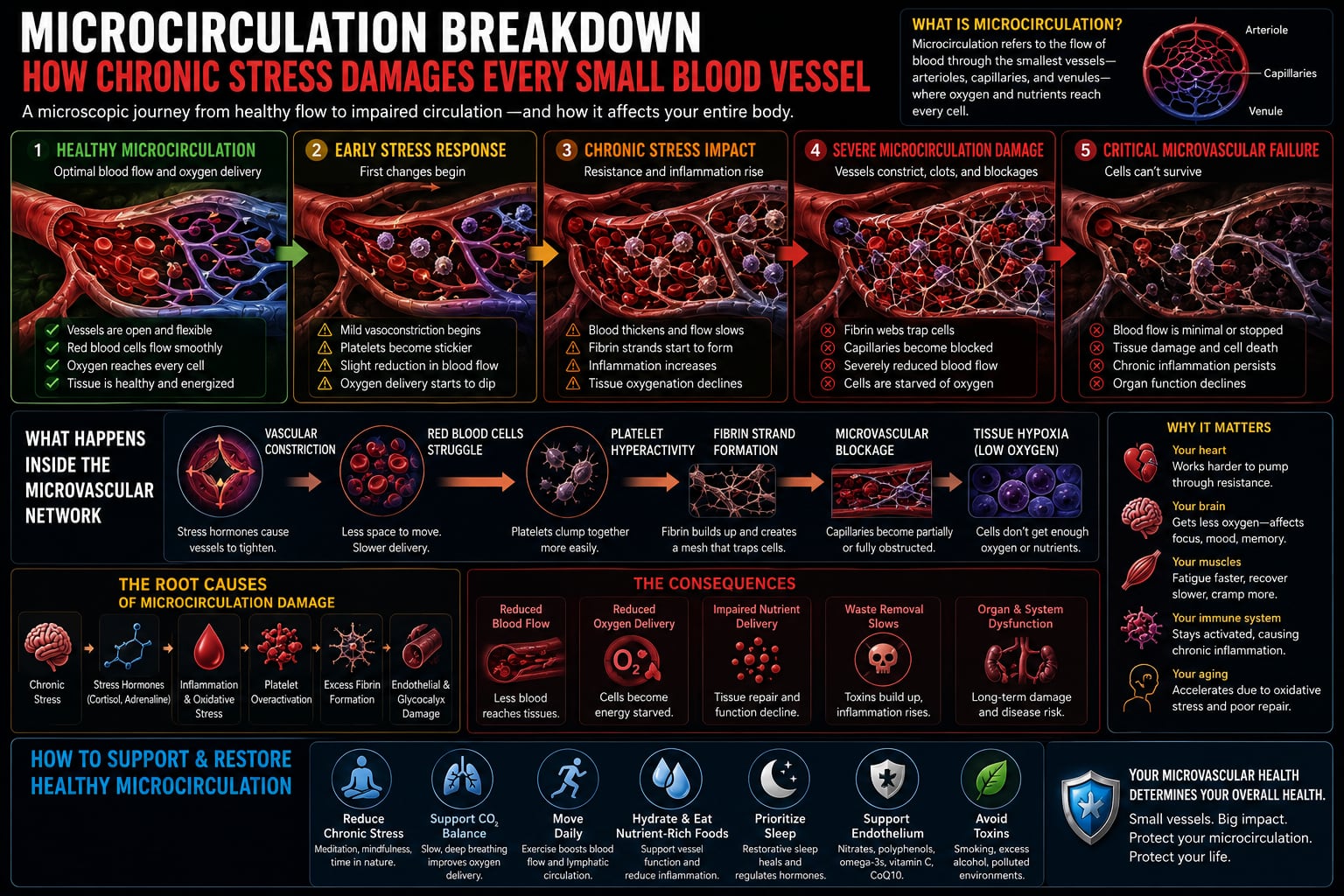
The smallest blood vessels in the body, known as capillaries, are where oxygen and nutrients actually reach tissues.
When blood becomes thicker and circulation becomes less efficient, these tiny vessels can struggle to deliver what cells need.
Over time, oxygen delivery may decline, waste products may accumulate, and tissues may function less efficiently.
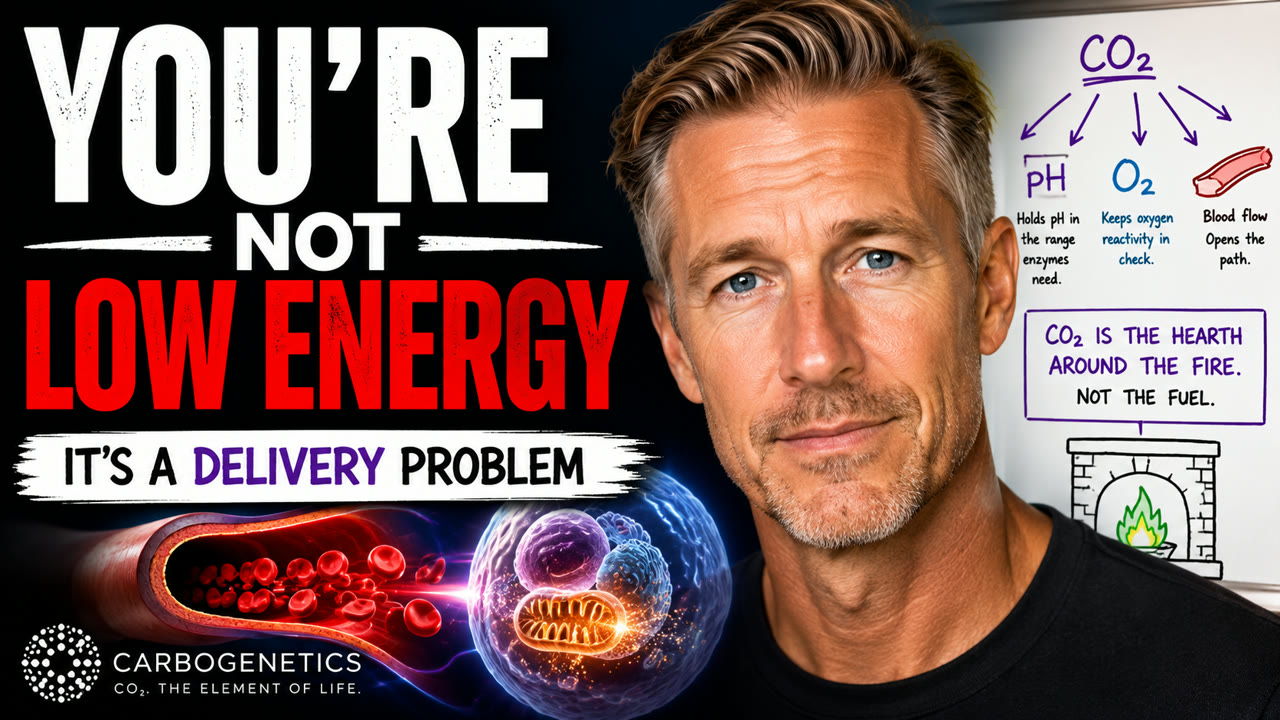
This helps explain why chronic stress is often associated with symptoms such as fatigue, brain fog, cold hands and feet, inflammation, and reduced resilience.
Conclusion
The body does not separate emotional experiences from physical biology.
Stress, grief, trauma, and anxiety are translated into signals that influence circulation, blood flow, clotting activity, and oxygen delivery throughout the body.
This does not mean emotional stress directly causes disease. It does suggest that emotional experiences can shape the biological environment in which health or dysfunction develops.
Understanding that connection gives us a new way to view both emotional and physical health. The question is no longer whether stress affects the body. The question is how deeply those effects reach.